
Why Choosing the Right OEM Motorcycle Oil Filter Matters: A Comprehensive Guide
Release time:
14 Apr,2026
Why Choosing the Right OEM Motorcycle Oil Filter Matters Motorcycle enthusiasts and casual riders alike understand the importance of maintaining their machines in peak condition. One crucial component often overlooked is the oil filter. Selecting the appropriate Original Equipment Manufacturer (OEM) motorcycle oil filter plays a pivotal role in ensuring your bike operates efficiently and reliably.

Why Choosing the Right OEM Motorcycle Oil Filter Matters
Motorcycle enthusiasts and casual riders alike understand the importance of maintaining their machines in peak condition. One crucial component often overlooked is the oil filter. Selecting the appropriate Original Equipment Manufacturer (OEM) motorcycle oil filter plays a pivotal role in ensuring your bike operates efficiently and reliably. In this article, we will delve into the reasons why choosing the right OEM motorcycle oil filter is essential, the various options available, and the long-term benefits of making an informed decision for your motorcycle's maintenance.
The Role of an Oil Filter in Your Motorcycle’s Engine
A motorcycle's engine is a finely tuned piece of machinery that requires proper lubrication to function optimally. **Oil filters** serve as the first line of defense against contaminants that can accumulate in the engine oil over time. These contaminants may include dirt, metal particles from engine wear, and other debris. By trapping these particles, oil filters ensure that the engine oil remains clean and free-flowing, which is critical for maintaining engine health.
Benefits of Using OEM Motorcycle Oil Filters
Opting for OEM motorcycle oil filters presents several advantages over aftermarket alternatives. Here are some key benefits:
1. Quality Assurance
OEM filters are manufactured to the exact specifications set by the motorcycle manufacturer. This ensures that the filter meets the required standards for performance and durability. In contrast, aftermarket filters may not adhere to these stringent guidelines, leading to potential issues down the line.
2. Perfect Fit
A major advantage of using an OEM filter is the guaranteed fit. These filters are designed specifically for your motorcycle model, ensuring seamless installation and optimal performance. Aftermarket filters may be less precise, potentially leading to leaks or improper filtration.
3. Enhanced Filtration
OEM oil filters typically feature advanced filtration technology to catch even the tiniest particles. This level of filtration is essential for preventing engine damage and prolonging the life of your motorcycle. Aftermarket filters may not offer the same level of protection.
4. Manufacturer Support
When you choose an OEM product, you benefit from the manufacturer's support in case of defects or issues. This peace of mind can be invaluable, especially for those who rely heavily on their motorcycles for daily commuting or long-distance rides.
Understanding Different Types of Motorcycle Oil Filters
Not all oil filters are created equal. Understanding the different types will help you make a more informed decision when selecting an OEM filter for your motorcycle.
1. Spin-On Oil Filters
Spin-on filters are the most common type found in motorcycles. They are easy to install and replace, often featuring a threaded base that allows for simple attachment to the engine. These filters are typically found in a wide range of motorcycle models.
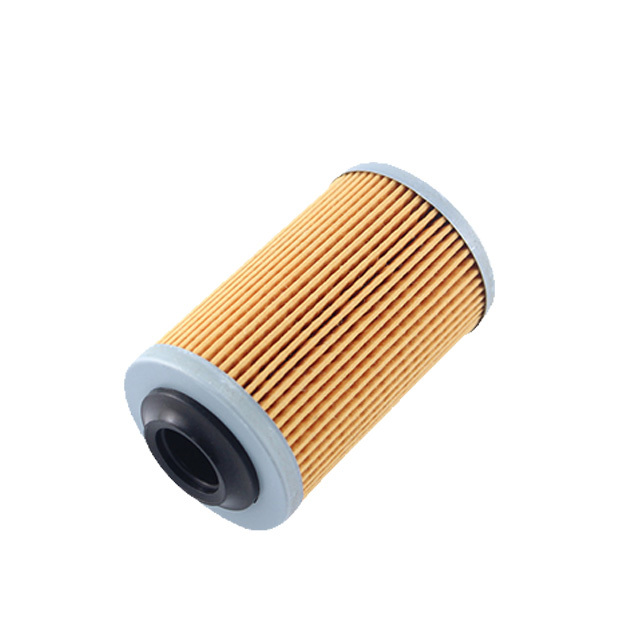
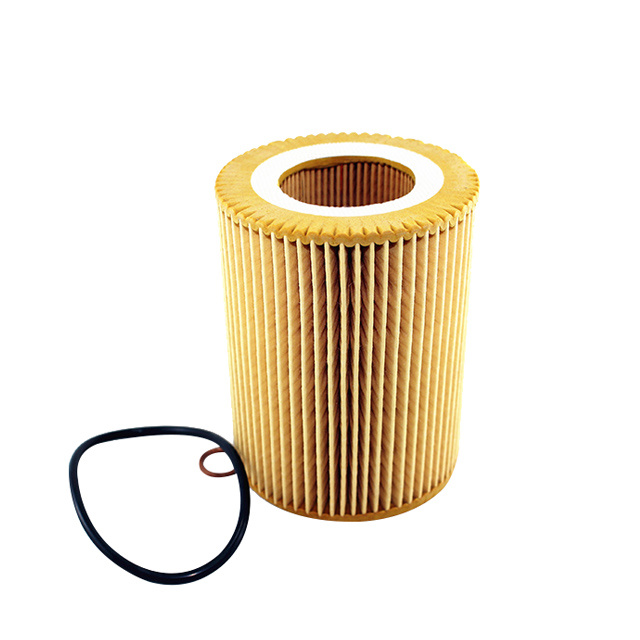
2. Cartridge Oil Filters
Cartridge filters consist of a filter element that is housed within a removable cartridge. This type of filter is often found in performance motorcycles and can offer superior filtration capabilities compared to spin-on filters. They may require more effort to replace but are highly effective.
3. Magnetic Oil Filters
Some OEM manufacturers offer magnetic filters that attract and capture metallic particles. These filters add an extra layer of protection for your engine by preventing metal shavings from circulating in the oil.
How to Choose the Right OEM Motorcycle Oil Filter
Choosing the right OEM motorcycle oil filter requires consideration of several factors. Here are some essential tips to guide your decision:
1. Check Your Motorcycle’s Owner Manual
Your motorcycle's owner manual will provide crucial information regarding the type and specifications of the recommended oil filter. Always refer to this document to ensure compatibility.
2. Consider Your Riding Style
Your riding habits can influence the type of oil filter you choose. If you frequently ride in harsh conditions or engage in high-performance activities, a higher-quality filter with superior filtration capabilities may be necessary.
3. Research Trusted Brands
Not all OEM filters are created equal. Research reputable manufacturers and opt for those with a proven track record of quality and reliability. Always choose filters from brands that specialize in motorcycle components.
4. Evaluate Filter Features
Look for filters with advanced features, such as high dirt-holding capacity, anti-drainback valves, and enhanced filtration media. These features contribute to the overall performance and longevity of the filter.
Common Misconceptions About Motorcycle Oil Filters
There are several myths surrounding motorcycle oil filters that can lead to confusion among riders. Here, we clarify some of these misconceptions:
1. All Oil Filters Are the Same
This is one of the biggest misconceptions. Different filters offer varying levels of filtration efficiency, durability, and fit. Always choose OEM filters for the best performance.
2. Changing the Oil Filter Isn’t Necessary Every Time You Change the Oil
Some riders believe they can skip changing the oil filter during an oil change. This is a mistake. Oil filters trap contaminants, and failing to replace them can lead to dirty oil and engine damage.
3. Price Equals Quality
While price can often indicate quality, it isn't the only factor. Always consider the brand reputation, features, and specifications instead of solely focusing on the price tag.
Maintaining Your Motorcycle Oil Filter for Optimal Performance
Even the best oil filter requires proper maintenance for optimal performance. Here are tips to ensure your filter functions effectively:
1. Regular Oil Changes
Adhering to a regular oil change schedule is crucial. Typically, it's recommended to change the oil and filter at least every 3,000 to 5,000 miles, but always consult your owner's manual for specific guidelines.
2. Inspect the Filter During Routine Maintenance
During routine maintenance checks, inspect the oil filter for any signs of leaks or damage. Addressing these issues early can prevent more significant problems later.
3. Use Quality Oil
Using high-quality oil compatible with your motorcycle and filter will enhance the filter's performance and lifespan. Look for oils that meet or exceed the manufacturer’s specifications.
FAQs About OEM Motorcycle Oil Filters
1. How often should I change my motorcycle oil filter?
Changing your motorcycle oil filter is generally recommended every time you perform an oil change, typically every 3,000 to 5,000 miles, but always check your owner's manual.
2. Can I use an aftermarket oil filter instead of OEM?
While aftermarket filters may be cheaper, they often do not meet the same quality standards as OEM filters. It's advisable to choose OEM filters for the best performance.
3. What happens if I don’t change my oil filter?
Neglecting to change your oil filter can lead to the accumulation of dirt and debris in the engine oil, which may result in serious engine damage over time.
4. Are all OEM filters the same?
No, OEM filters vary by manufacturer and model. Always refer to your motorcycle's owner manual to ensure you're selecting the correct filter.
5. How can I tell if my oil filter is clogged?
Signs of a clogged oil filter include decreased engine performance, increased oil pressure, and unusual engine noises. If you notice any of these symptoms, check the filter immediately.
Conclusion
Selecting the right OEM motorcycle oil filter is not just a matter of convenience; it is a critical decision that affects the long-term health and performance of your motorcycle. By choosing OEM filters, you ensure that your bike receives the quality and reliability it deserves. Understanding the various types of filters, how to choose the right one, and maintaining it properly are all essential steps in preserving your motorcycle's engine and enhancing your riding experience. Make informed choices, and your motorcycle will reward you with many miles of exhilarating rides ahead.
Key words:
All
- All
- Product Management
- News
- Introduction
- Enterprise outlets
- FAQ
- Enterprise Video
- Enterprise Atlas
More information



WhatsApp:
E-mail: