
Essential Guide to Choosing the Right RV Air Conditioner Air Filter
Release time:
12 Apr,2026
Essential Guide to Choosing the Right RV Air Conditioner Air Filter Whether you're a weekend camper or a full-time RVer, maintaining a comfortable living environment in your recreational vehicle (RV) is crucial. One of the key components of ensuring a pleasant atmosphere is the air conditioning system, and particularly, the air filter that keeps your air clean and your system running efficiently.

Essential Guide to Choosing the Right RV Air Conditioner Air Filter
Whether you're a weekend camper or a full-time RVer, maintaining a comfortable living environment in your recreational vehicle (RV) is crucial. One of the key components of ensuring a pleasant atmosphere is the air conditioning system, and particularly, the air filter that keeps your air clean and your system running efficiently. This comprehensive guide will walk you through everything you need to know to choose the right RV air conditioner air filter.
Understanding RV Air Conditioning Systems
Before diving into the specifics of air filters, it's essential to understand how RV air conditioning systems work. These systems are designed to keep your living space cool and comfortable, especially during hot summer months. They circulate air, removing heat and humidity, thereby creating a pleasant environment. However, without the right air filter, your air conditioning unit may not function properly.
The Importance of Air Filters in RVs
Air filters play a vital role in maintaining air quality and system efficiency in your RV. A clean filter prevents dirt, dust, and other particulate matter from entering your air conditioning unit, which can lead to:
- Reduced Efficiency: A clogged filter forces the air conditioning unit to work harder, consuming more energy and leading to higher fuel costs.
- Shortened Lifespan: When the air conditioner is overworked due to a dirty filter, it can lead to premature wear and failure of the system.
- Poor Air Quality: A dirty filter may release contaminants back into the air, affecting the health and comfort of you and your family.
Types of RV Air Conditioner Air Filters
When selecting an air filter for your RV air conditioner, it's essential to choose the right type. Here are the most common types of air filters available:
1. Fiberglass Filters
Fiberglass filters are the most basic and economical option. They are made of layered fiberglass fibers that trap larger particles. While they are affordable, they typically have a lower MERV (Minimum Efficiency Reporting Value) rating, meaning they may not capture smaller particles like dust mites and pollen effectively.
2. Pleated Filters
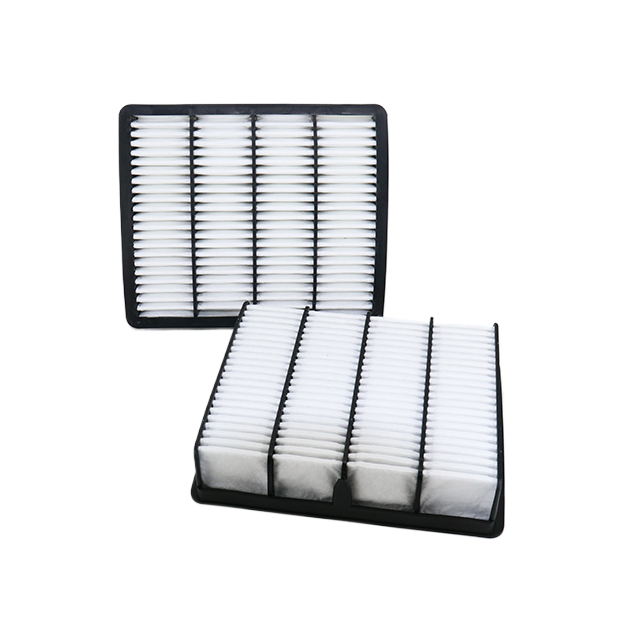
Pleated filters are a step up from fiberglass filters. They have a larger surface area, which allows for better airflow and improved filtration. With a higher MERV rating, pleated filters can capture smaller particles, making them a popular choice among RV owners.
3. HEPA Filters
HEPA (High-Efficiency Particulate Air) filters are the gold standard in air filtration. They can capture up to 99.97% of airborne particles, including dust, mold, and pet dander. While they are more expensive, they provide superior air quality and are ideal for those with allergies or respiratory issues.
4. Activated Carbon Filters
Activated carbon filters are designed to remove odors and volatile organic compounds (VOCs) from the air. These filters are often used in conjunction with other filter types to enhance air quality, making them a great addition for those who spend extended periods in their RV.
Factors to Consider When Choosing an RV Air Conditioner Air Filter
Choosing the right air filter involves considering several factors to ensure optimal performance and longevity of your air conditioning system.
1. Size of the Filter
One of the most critical factors is ensuring that you select a filter that fits your RV's air conditioning unit. Most RV air conditioning units have a filter size listed in the owner's manual. Measure your existing filter or check the specifications to find the right size.
2. MERV Rating
The MERV rating indicates how effectively a filter captures different sizes of particles. A higher MERV rating means better filtration. For RV air conditioners, a MERV rating between 6 and 10 is typically recommended, depending on your air quality needs.
3. Material Composition
Consider the material of the filter. Fiberglass filters are inexpensive but less effective, while pleated and HEPA filters provide better filtration. Weigh the cost against the air quality you desire.
4. Maintenance and Replacement Frequency
Different filters have varying maintenance needs. Fiberglass filters generally need to be replaced monthly, while pleated and HEPA filters can last three to six months. Factor in how often you’ll need to replace the filter based on your usage.
How to Maintain Your RV Air Conditioner Air Filter
Proper maintenance of your air filter will ensure optimal performance and air quality. Here are some tips:
1. Regular Inspections
Check your air filter regularly, especially during peak usage times. Look for dirt and debris accumulation and replace or clean the filter as needed.
2. Cleaning or Replacing Filters
Some filters can be cleaned and reused, while others need to be replaced. Follow the manufacturer's instructions to ensure the best results.
3. Monitor Air Quality
Pay attention to the air quality in your RV. If you notice that the air feels stuffy or dusty, it may be time to replace the filter, regardless of the set schedule.
Common FAQs About RV Air Conditioner Air Filters
1. How often should I replace my RV air conditioner air filter?
Typically, you should replace your air filter every 30-90 days, depending on usage and filter type. Fiberglass filters may need monthly replacements, while pleated filters might last longer.
2. Can I clean my RV air filter?
Some filters, particularly reusable ones, can be cleaned. Be sure to follow the manufacturer’s instructions for proper cleaning techniques.
3. What MERV rating should I look for in an RV air filter?
A MERV rating between 6 and 10 is generally recommended for RV air conditioners, balancing airflow with effective filtration.
4. Do I need a HEPA filter in my RV?
If you or your passengers have allergies or respiratory concerns, a HEPA filter may be beneficial due to its superior filtration capabilities.
5. How can I improve the air quality in my RV beyond using filters?
In addition to using high-quality air filters, consider using an air purifier, maintaining proper ventilation, and regularly cleaning your RV to reduce dust and allergens.
Conclusion
Choosing the right RV air conditioner air filter is crucial for maintaining a comfortable and healthy living environment in your recreational vehicle. By understanding the types of filters available, considering key factors like size and MERV rating, and committing to regular maintenance, you can ensure your air conditioning system operates efficiently. With the right filter in place, you can enjoy clear, fresh air every time you hit the road on your adventures.
Key words:
- All
- Product Management
- News
- Introduction
- Enterprise outlets
- FAQ
- Enterprise Video
- Enterprise Atlas
More information




WhatsApp:
E-mail: