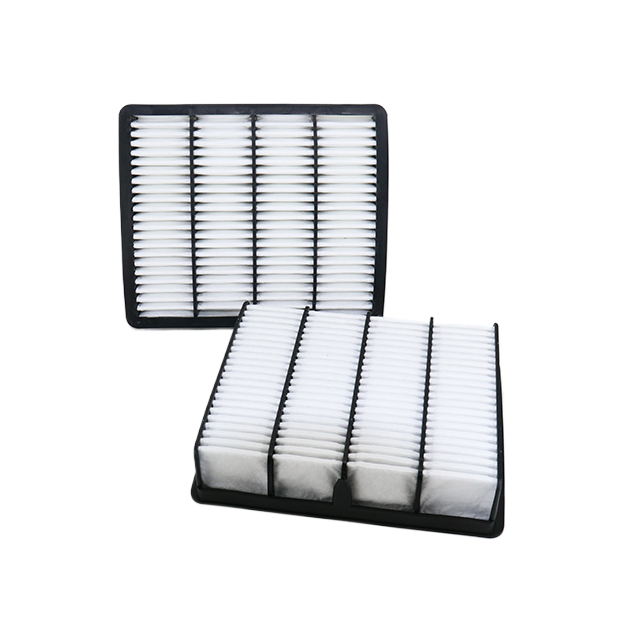
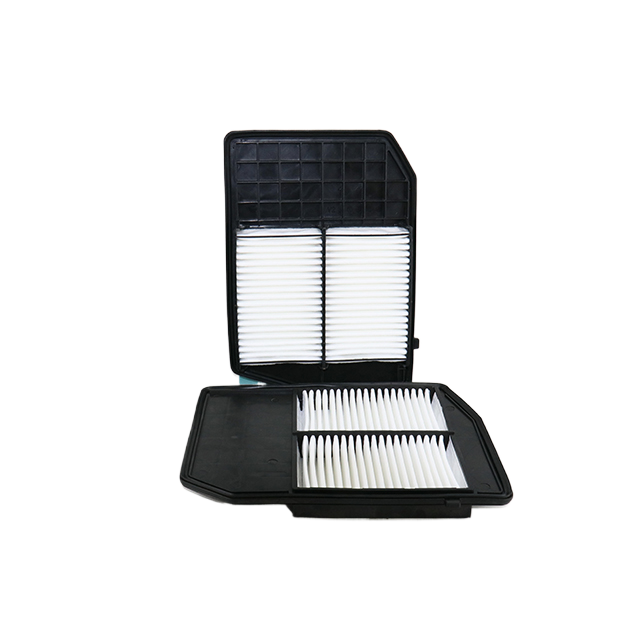
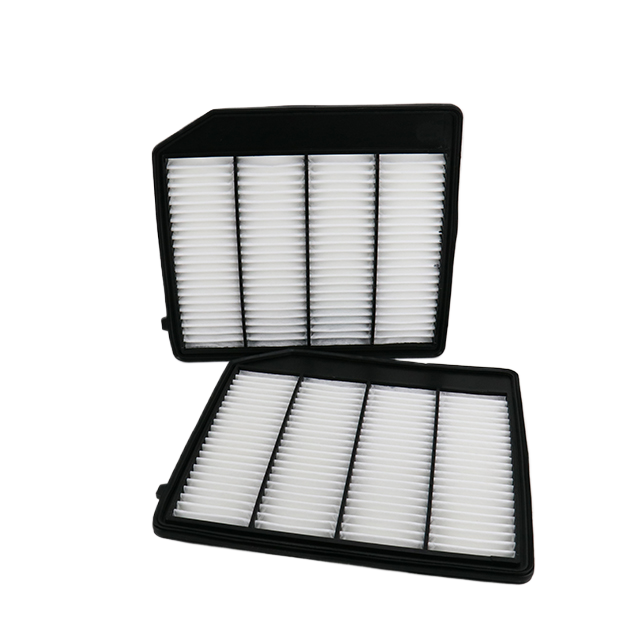
In modern vehicles and industrial machinery, the engine air filter is often a small and inexpensive component, but its role is critical to overall performance, fuel efficiency, and engine longevity. As engines become more advanced and emission standards more strict, the demand for high-quality air filtration systems continues to grow rapidly across automotive, construction, agricultural, and power equipment industries.
An engine air filter works as the first line of defense against airborne contaminants such as dust, sand, soot, pollen, and other particles. Without proper filtration, these contaminants can enter the combustion chamber, causing abrasion on cylinder walls, piston rings, and valves. Over time, this leads to reduced compression, higher fuel consumption, increased emissions, and ultimately engine failure. Because of this, air filters are not just accessories—they are essential protection systems for any internal combustion engine.
Growing Demand Driven by Global Automotive Expansion
The global automotive market continues to expand, especially in developing regions where commercial transportation, logistics, and construction activities are increasing. This growth directly drives demand for reliable engine air filters.
Heavy-duty vehicles such as trucks, buses, and construction equipment operate in harsh environments where dust levels are significantly higher than normal road conditions. In these environments, air filters must provide high dust-holding capacity while maintaining consistent airflow. A high-quality filter ensures that the engine receives clean air without restricting performance.
In passenger vehicles, consumer expectations are also changing. Drivers now demand better fuel efficiency and lower maintenance costs. A clean and efficient air filter contributes directly to both by ensuring optimal air-to-fuel ratio inside the combustion chamber.
How Engine Air Filters Work in Real Conditions
Engine air filters typically use pleated filter media made from cellulose, synthetic fibers, or a combination of both. The pleated structure increases the surface area, allowing the filter to trap more particles without significantly reducing airflow.
As air enters the intake system, it passes through the filter media. Particles are captured based on size, density, and electrostatic attraction. Clean air then flows into the engine for combustion.
Different applications require different filtration grades. For example, construction machinery filters must withstand heavy dust exposure, while automotive filters prioritize balance between airflow and filtration efficiency. High-performance vehicles may require advanced synthetic media to support higher air intake volumes.
Industry Innovation and Material Improvements
Recent advancements in engine air filter technology focus on improving filtration efficiency, durability, and service life. Manufacturers are increasingly adopting multi-layer synthetic materials that provide higher dust retention without clogging quickly.
Another important innovation is the use of nanofiber coating technology. This enhances the filter’s ability to capture ultra-fine particles while maintaining low airflow resistance. As a result, engines operate more efficiently and maintain consistent power output.
In addition, environmentally friendly materials are becoming more popular. Many manufacturers are moving away from fully disposable filters toward recyclable or longer-life products to reduce environmental impact.
Common Problems Caused by Poor-Quality Filters
Using low-quality or improperly maintained air filters can lead to several serious issues. One of the most common problems is reduced engine performance. When airflow is restricted or contaminated, combustion efficiency drops, resulting in sluggish acceleration and poor fuel economy.
Another major issue is increased engine wear. Dust particles entering the engine act like abrasive material, slowly damaging internal components. This damage is often irreversible and costly to repair.
In extreme cases, a completely clogged filter can cause engine overheating or stalling due to insufficient air intake. This is especially dangerous in industrial or heavy-duty applications where continuous operation is required.
Real-World Application Case
A logistics company operating a fleet of delivery trucks reported frequent maintenance issues and rising fuel costs. After switching to high-efficiency engine air filters with improved dust-holding capacity, they observed a significant reduction in engine wear and a noticeable improvement in fuel efficiency.
Within three months, maintenance intervals were extended, and engine performance remained more stable even under long-distance and high-load conditions. This case highlights how a simple component upgrade can deliver measurable operational benefits.
Maintenance and Replacement Importance
Even the best engine air filter has a limited service life. Regular inspection and replacement are necessary to maintain optimal performance. In dusty environments, filters may need replacement more frequently than in urban conditions.
Most manufacturers recommend checking air filters every 5,000 to 10,000 kilometers for passenger vehicles, while heavy machinery may require even shorter intervals depending on operating conditions.
Ignoring maintenance can lead to gradual performance decline that may not be immediately noticeable but becomes costly over time.
Conclusion
The engine air filter plays a vital role in protecting engines, improving efficiency, and reducing long-term maintenance costs. As industries continue to demand higher performance and cleaner operation, the importance of advanced filtration technology will only increase.
Investing in high-quality engine air filters is not just about protecting machinery—it is about ensuring reliability, reducing operational costs, and extending the life of valuable equipment.