
Automotive Filters – Types, Functions, Maintenance, and Importance for Vehicle Performance
Release time:
16 Feb,2026
Car filter traps dust, dirt, and pollutants from air or fuel, protecting engine and keeping cabin air clean better use..

Automotive filters are essential components that help maintain vehicle performance, reliability, and longevity by removing contaminants from critical systems. Modern vehicles rely on several types of filters, including air filters, oil filters, fuel filters, cabin air filters, and transmission filters. Each plays a specific role in protecting mechanical parts and ensuring optimal operation. Without effective filtration, dirt, dust, metal particles, and impurities could accumulate inside systems, leading to premature wear, reduced efficiency, and costly repairs.
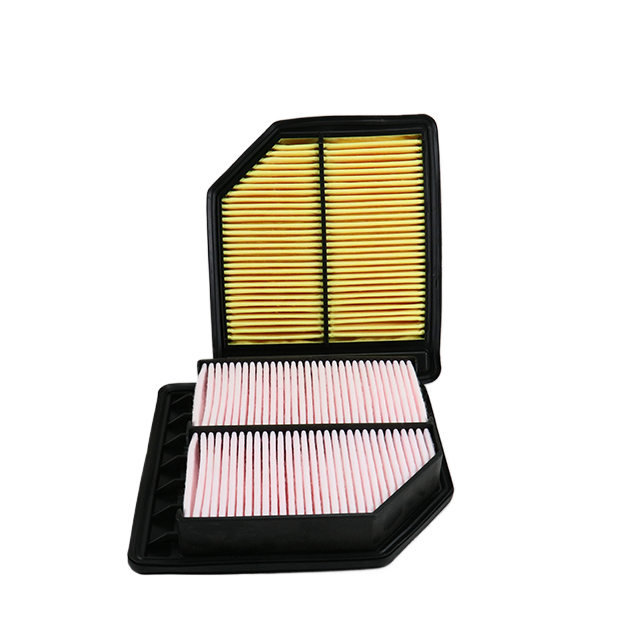
The engine air filter is responsible for cleaning the air entering the engine. It prevents dust, pollen, and debris from reaching internal components such as pistons and cylinders. Clean air is vital for efficient combustion and fuel economy. A clogged air filter can reduce engine power, increase fuel consumption, and cause rough acceleration. Most manufacturers recommend checking the air filter regularly and replacing it based on mileage or driving conditions, especially in dusty environments.
The oil filter removes metal particles, carbon deposits, and sludge from engine oil. As oil circulates through the engine, it collects contaminants that can damage moving parts. A high-quality oil filter helps maintain proper lubrication and reduces engine wear. Oil filters are typically replaced during routine oil changes, which helps keep the engine clean and operating smoothly over time.
Fuel filters protect the fuel injection system by trapping dirt, rust, and other impurities from gasoline or diesel fuel. Modern fuel injection systems require precise pressure and clean fuel to function efficiently. A clogged fuel filter may cause engine hesitation, hard starting, or reduced acceleration. Regular replacement ensures consistent fuel flow and prevents damage to expensive components such as fuel pumps and injectors.
Cabin air filters improve passenger comfort and health by filtering dust, pollen, pollutants, and odors from the air entering the vehicle’s interior. They are especially important for people with allergies or respiratory sensitivities. A clean cabin filter enhances air conditioning performance and keeps the interior environment fresh. Replacement intervals vary depending on driving conditions, urban pollution levels, and seasonal factors.
Transmission filters help keep transmission fluid clean by capturing metal shavings and debris generated during gear operation. Clean transmission fluid is necessary for smooth shifting and long-term reliability. While not all vehicles require frequent transmission filter replacement, routine inspection is recommended during scheduled maintenance to prevent transmission problems.
Modern vehicles may also include additional filters, such as power steering filters, coolant filters, and diesel particulate filters (DPF). These specialized filters further enhance system efficiency and environmental performance. Advances in filtration technology include multi-layer media, synthetic materials, and electronic monitoring systems that alert drivers when filters need attention.
Regular inspection and maintenance of all automotive filters help reduce emissions, improve fuel efficiency, and extend the lifespan of major vehicle components. Using high-quality filters that meet manufacturer specifications ensures reliable performance and consistent protection. For both daily drivers and commercial vehicles, proper filtration is a fundamental aspect of preventive maintenance that contributes to safety, comfort, and long-term cost savings.
Key words:
- All
- Product Management
- News
- Introduction
- Enterprise outlets
- FAQ
- Enterprise Video
- Enterprise Atlas
More information



WhatsApp:
E-mail: