
Truck Air Filter Systems – Functions, Types, Maintenance, and Performance Benefits
Release time:
09 Feb,2026
A truck air filter removes dust and debris from incoming air before it enters the engine, protecting internal components, improving fuel efficiency, and maintaining stable performance.

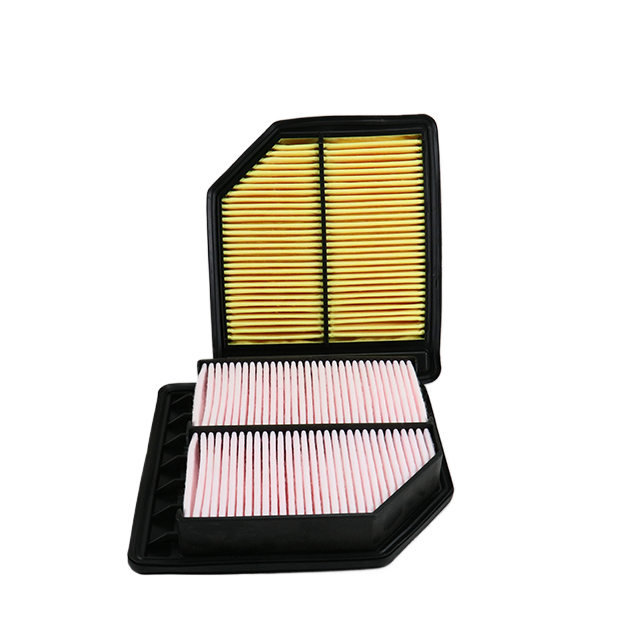
Truck air filters are essential components designed to protect engines from dust, debris, and airborne contaminants that can cause wear or reduce performance. Installed within the intake system, the air filter ensures that only clean air enters the combustion chamber, allowing fuel to burn efficiently. Because trucks often operate in harsh environments such as construction sites, highways, farms, and industrial zones, the air filter plays a critical role in maintaining engine durability and consistent power output.
There are several types of air filters used in trucks, including paper filters, foam filters, oiled cotton filters, and heavy-duty performance filters. Paper filters are the most common due to their cost-effectiveness and reliable filtration efficiency. Foam filters are often used in off-road applications because they handle heavy dust loads well. Oiled cotton filters are reusable and offer improved airflow, making them popular in performance-focused vehicles. Choosing the right filter depends on driving conditions, maintenance preferences, and manufacturer recommendations.
A clean air filter improves fuel efficiency by allowing the correct air-to-fuel ratio in the engine. When a filter becomes clogged, airflow is restricted, causing incomplete combustion and increased fuel consumption. Drivers may notice reduced acceleration, engine misfires, or black exhaust smoke when the filter is heavily contaminated. Regular inspection and timely replacement help prevent these problems and extend engine life. Many truck operators follow service intervals ranging from 10,000 to 30,000 kilometers, but trucks working in dusty environments may require more frequent checks.
Modern truck air filter systems often include advanced features such as pre-cleaners, cyclonic separators, and sensor-based monitoring systems. Pre-cleaners remove larger particles before they reach the main filter, reducing maintenance needs. Cyclonic separators use centrifugal force to spin out heavy debris, improving filtration efficiency and extending service intervals. Some trucks are equipped with electronic sensors that alert drivers when airflow becomes restricted, ensuring maintenance is performed at the right time rather than relying only on mileage.
Proper installation and sealing of the air filter housing are equally important. Even a high-quality filter cannot protect the engine if unfiltered air bypasses the system due to poor sealing or damaged gaskets. During replacement, technicians should inspect the intake ducting, clamps, and filter housing for cracks or leaks. Using genuine or high-quality aftermarket filters helps maintain filtration standards and engine reliability.
In addition to engine protection, air filters contribute to reduced emissions by supporting efficient combustion. Clean air intake helps lower particulate matter and improves overall environmental performance. Fleet operators and logistics companies increasingly recognize the importance of air filter maintenance as part of sustainable and cost-effective vehicle management. By ensuring optimal airflow and engine health, truck air filters play a vital role in maintaining performance, minimizing downtime, and controlling operating costs over the long term.
Key words:
- All
- Product Management
- News
- Introduction
- Enterprise outlets
- FAQ
- Enterprise Video
- Enterprise Atlas
More information



WhatsApp:
E-mail: