As residential and commercial buildings continue to rely heavily on air conditioning systems, the role of the split air conditioner filter has become increasingly important in everyday comfort and indoor air quality. A split air conditioning unit typically consists of indoor and outdoor components, and the filter installed within the indoor unit serves as the first line of defense against airborne particles. Over time, this simple component plays a crucial role in keeping airflow stable and ensuring that the system operates under optimal conditions.
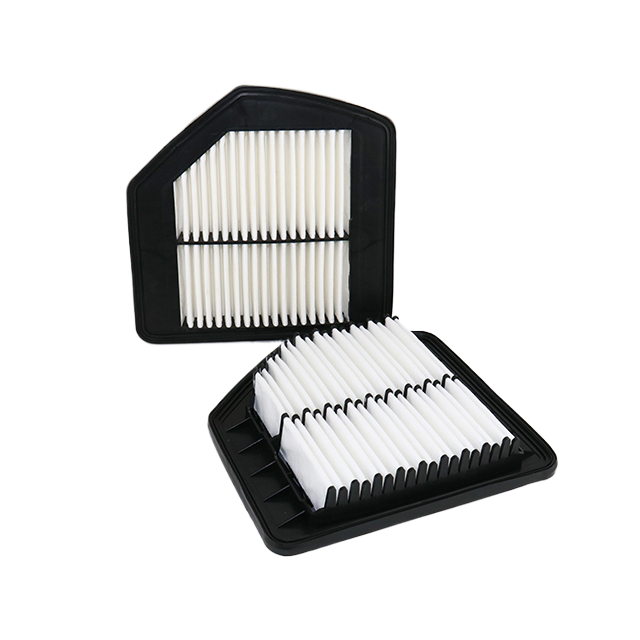
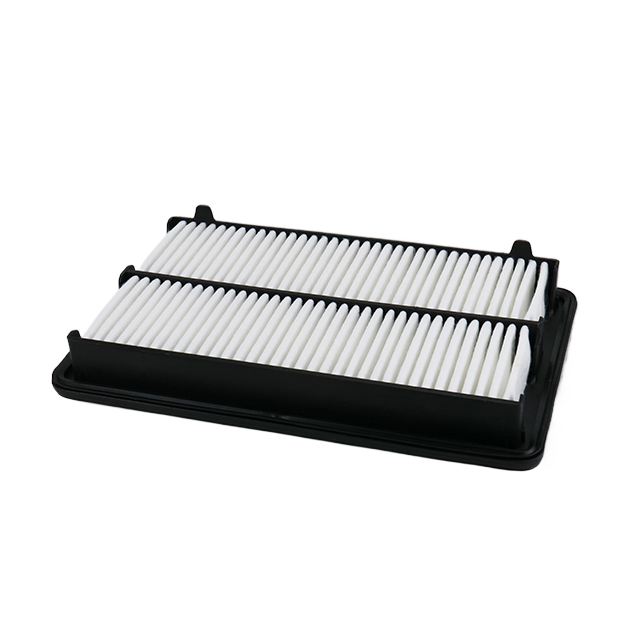
In daily use, the split air conditioner filter works by capturing dust, pollen, pet dander, and other microscopic particles that circulate through indoor air. Without proper filtration, these contaminants would not only reduce air quality but also accumulate inside the system’s internal components, leading to reduced cooling efficiency. In many cases, users may notice weaker airflow or higher energy consumption when filters become clogged, even if the air conditioner itself is functioning correctly. This makes regular maintenance an essential part of system performance rather than an optional task.
Beyond protecting the air conditioning system itself, the filter also contributes directly to healthier indoor environments. In homes, offices, hotels, and public spaces, people spend long hours in enclosed environments where air circulation is limited. A well-maintained split air conditioner filter helps reduce exposure to airborne irritants that can affect breathing comfort, particularly for individuals sensitive to dust or seasonal allergens. While it does not replace advanced air purification systems, it significantly improves baseline air cleanliness in everyday settings.
From a maintenance perspective, split air conditioner filters are generally designed for easy removal and cleaning. Most modern units allow users to access the filter panel without tools, making routine cleaning relatively simple. Depending on usage conditions, filters are typically cleaned every few weeks or replaced periodically when wear or damage is observed. Environments with higher dust levels or continuous air conditioner operation may require more frequent attention. This routine upkeep not only supports air quality but also helps extend the lifespan of the entire cooling system.
Energy efficiency is another important aspect influenced by filter condition. When airflow is obstructed due to dust buildup, the system must work harder to achieve the desired temperature, which can lead to increased electricity consumption. Clean filters help maintain steady airflow, allowing the compressor and fan system to operate more efficiently. Over time, this contributes to lower operational costs and more stable performance, especially in climates where air conditioning is used for extended periods throughout the year.
As HVAC systems continue to evolve with improved design and energy-saving technologies, the importance of basic components like filters remains unchanged. The split air conditioner filter may appear simple, but its impact on system performance, energy consumption, and indoor air quality is significant. Regular attention to this component ensures that air conditioning systems continue to deliver consistent comfort, clean air, and efficient operation in both residential and commercial environments.