
Air Filter: Essential Filtration for Cleaner Air and System Protection
Release time:
25 Mar,2026
Air filter removes dust, pollen, and airborne particles, improving air quality and protecting HVAC systems and machinery.

Air filters are critical components used in residential, commercial, and industrial applications to remove dust, pollen, smoke, allergens, and other airborne contaminants. They play a key role in maintaining healthy indoor air quality, protecting equipment, and ensuring the efficiency and longevity of various systems, including HVAC units, engines, and industrial machinery. By capturing airborne particles, air filters prevent them from entering sensitive components, reducing wear, energy consumption, and the risk of malfunction.
In HVAC (heating, ventilation, and air conditioning) systems, air filters are used to trap dust, debris, and allergens before air is circulated throughout buildings. This not only improves indoor air quality, promoting better health and comfort for occupants, but also prevents dirt from accumulating on coils, ducts, and other system components. Cleaner systems operate more efficiently, consume less energy, and require less frequent maintenance. Different types of HVAC filters are available, including pleated, fiberglass, HEPA (high-efficiency particulate air), electrostatic, and activated carbon filters, each designed for specific levels of filtration and airflow requirements.
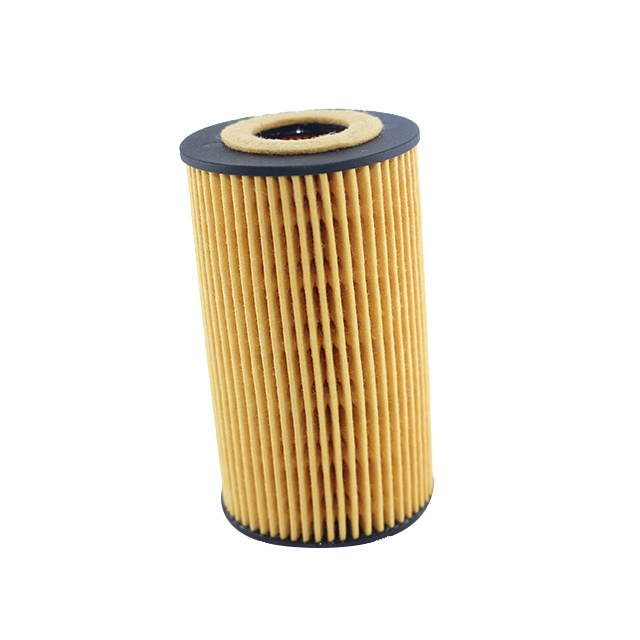
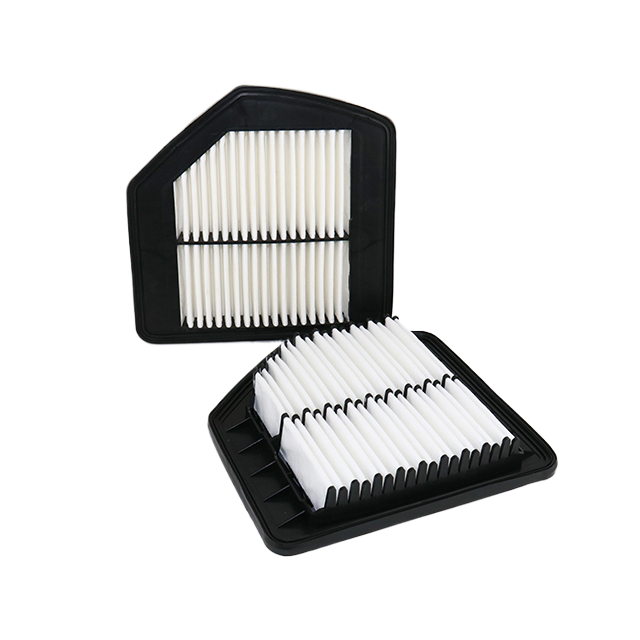
In automotive applications, air filters are used to protect engines from dust, dirt, and other particles that could interfere with combustion or cause mechanical damage. Engine air filters ensure optimal fuel efficiency, reduce emissions, and prolong engine life. High-performance vehicles may use specialized air filters to maintain consistent airflow under high stress or extreme conditions, while heavy machinery often relies on robust industrial-grade filters to withstand harsh environments such as construction sites, mining, or agriculture.
Industrial air filtration plays a crucial role in factories, cleanrooms, laboratories, and hospitals. In these environments, air filters not only protect equipment but also maintain strict air quality standards to prevent contamination and ensure safety. HEPA and ULPA (ultra-low penetration air) filters are often used in medical and pharmaceutical facilities to remove microscopic particles, bacteria, and viruses. Electrostatic and activated carbon filters may also be used to control odors, gases, and chemical pollutants.
Modern air filters are designed with materials such as pleated paper, synthetic fibers, foam, or nanofiber layers to maximize particle capture while minimizing airflow resistance. The design and quality of the filter impact filtration efficiency, airflow capacity, and system performance. Regular inspection, cleaning, or replacement of air filters is essential to maintain optimal function, reduce energy consumption, and prevent system failure. Neglecting filter maintenance can lead to decreased efficiency, higher energy costs, and increased wear on equipment.
In addition to improving air quality and protecting systems, air filters contribute to environmental sustainability. Efficient filtration reduces energy consumption, lowers emissions from engines and HVAC systems, and extends the life of machinery, reducing waste and resource use. Some filters are designed for easy recycling or safe disposal, further minimizing environmental impact.
Technological advancements have led to smart air filters with monitoring capabilities. These filters can detect particle load, airflow resistance, or contamination levels, providing alerts when maintenance is needed. Integration with smart home systems or industrial monitoring platforms allows for proactive management, ensuring clean air, consistent system performance, and operational efficiency.
In conclusion, air filters are indispensable components for clean air, system protection, and operational efficiency across a wide range of applications. From residential HVAC systems to automotive engines and industrial cleanrooms, air filters enhance health, safety, and sustainability. Choosing the right type of air filter and maintaining it regularly ensures optimal performance, energy savings, and long-term reliability of equipment and environments.
Key words:
- All
- Product Management
- News
- Introduction
- Enterprise outlets
- FAQ
- Enterprise Video
- Enterprise Atlas
More information



WhatsApp:
E-mail: